
Your Ultimate 10-Point Fall Checklist for Home Maintenance in North Texas
As the relentless Texas summer heat finally gives way to cooler breezes, it’s a beautiful time of year in places like Granbury, Weatherford, and Glen Rose. But this transition is also a critical window for home maintenance. The shift from scorching, triple-digit days to potential freezes and damp conditions puts unique stress on our homes, from a sprawling ranch house on acreage to a carefully designed custom build. Ignoring seasonal prep can lead to everything from burst pipes during an unexpected winter storm to a compromised roof or sky-high energy bills when the first real cold snap hits.
This isn't just about ticking boxes; it's about proactively protecting the integrity, comfort, and value of your biggest investment. For owners of custom-built homes, where every detail was thoughtfully chosen, this preventative care is even more essential to preserve the craftsmanship and materials. From the foundation to the chimney top, a strategic approach now saves significant time, money, and headaches later.
This definitive fall checklist for home maintenance is designed specifically for North Texas properties, addressing the specific challenges our climate presents. We’ll provide actionable, expert advice to ensure your home is secure, efficient, and ready for whatever winter throws its way. This guide will help you confidently prepare your home for the changing seasons ahead.
1. Inspect and Clean Gutters and Downspouts
In North Texas, fall brings a beautiful but relentless barrage of leaves, acorns, and twigs from our beloved oak and pecan trees. This makes inspecting and cleaning your gutters one of the most critical tasks on any fall checklist for home maintenance. When gutters clog, rainwater has nowhere to go but over the edge, under your shingles, or down your exterior walls, creating a serious risk of roof rot, fascia board damage, and even foundation issues.
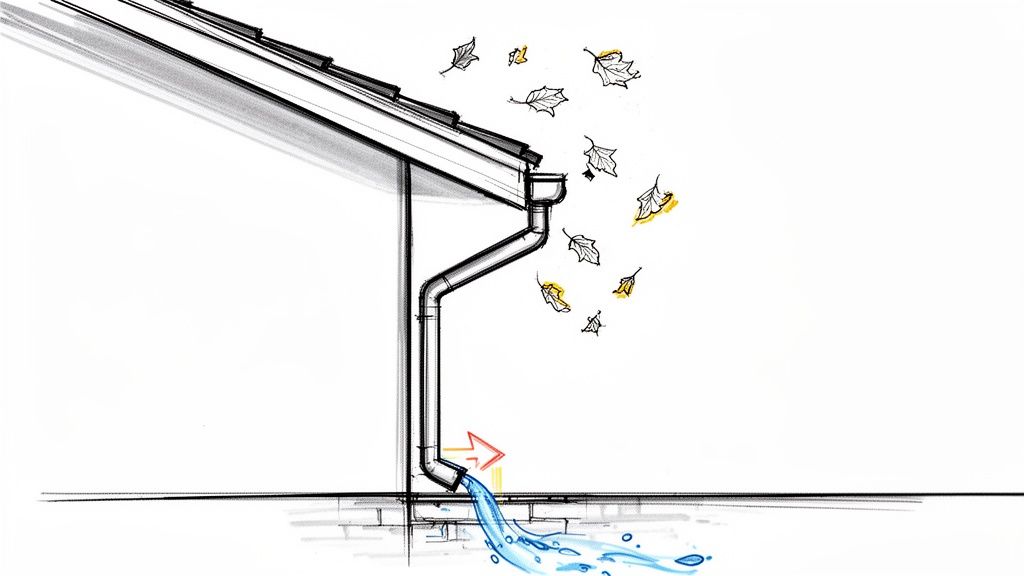
Proper water management ensures moisture is directed away from the slab or pier-and-beam foundation, preventing the costly soil erosion and shifting that can lead to cracks and instability over time—a common headache for rural property owners dealing with our expansive clay soils.
Why It's a Priority in the Granbury Area
For homeowners in Granbury and Weatherford surrounded by mature trees, this isn't a once-a-year job. A property with heavy tree cover often needs its gutters cleaned at least twice in the fall: once in mid-October and again in late November after the last leaves have fallen. This proactive approach prevents water from pooling and backing up during a surprise Texas downpour. For instance, homes with standing seam metal roofs, a popular choice for modern ranch and barndominium styles, need clear gutters to prevent trapped moisture that can lead to rust staining on the panels.
Actionable Tips for Gutter Maintenance
Timing is Everything: Aim for mid-to-late October for your first cleaning, just as the leaves begin to fall heavily, and a second round after Thanksgiving.
Check the Downspouts: After clearing debris, use a garden hose to flush the gutters and downspouts. Ensure water flows freely and that downspout extenders direct water at least four to six feet away from your foundation.
Safety First: For multi-story homes or properties with steep roof pitches, hiring a professional is the safest bet. Professional cleaning in North Texas can range from $150 to $350, depending on the home's size and complexity.
Consider an Upgrade: If you’re tired of the annual chore, investing in quality gutter guards or screens can significantly reduce debris buildup. They are an excellent long-term solution for families who want to minimize yearly maintenance.
2. Seal and Weatherstrip Doors and Windows
As North Texas temperatures begin their unpredictable dance from sunny 70s to sub-freezing nights, sealing your home's envelope becomes a top priority on any fall checklist for home maintenance. Small gaps around doors and windows can lead to significant energy loss, forcing your HVAC system to work overtime and driving up utility bills. Proper sealing prevents uncomfortable drafts, maintains consistent indoor temperatures, and protects your home from moisture and pests.
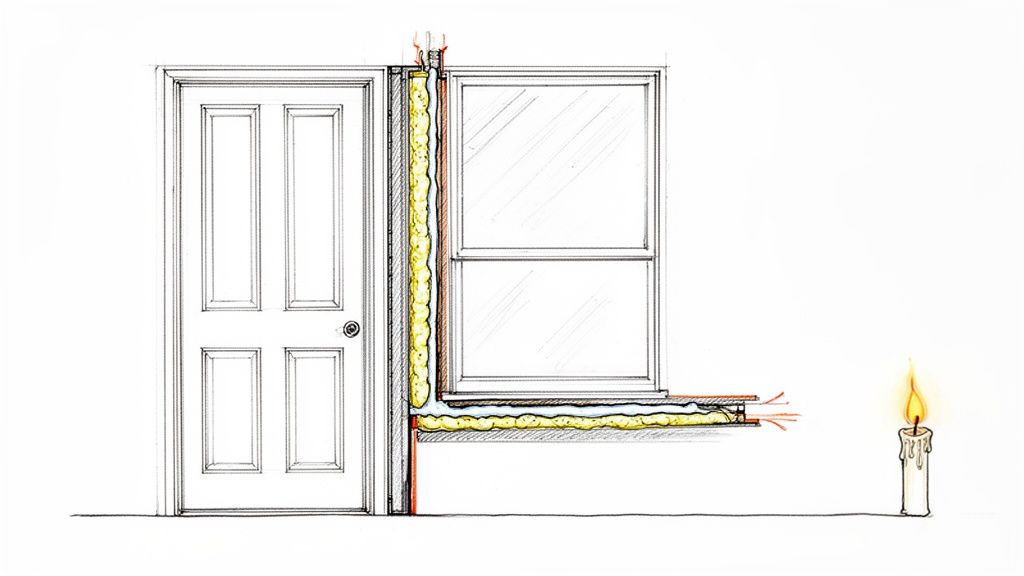
This simple maintenance task is a powerful investment in both comfort and efficiency. By creating a tight thermal barrier, you ensure the heated air you're paying for stays inside, which is crucial for the open-concept layouts popular in modern Texas homes.
Why It's a Priority in the Granbury Area
For homeowners in Granbury and Weatherford, the dramatic temperature shifts common in fall and winter put a significant strain on building materials. In one recent Gemini Homes remodel, a comprehensive air-sealing project on a classic Weatherford farmhouse reduced the home's winter heating costs by an estimated 15%. This highlights how addressing drafts is not just a comfort issue but a financial one. Retirees, in particular, can benefit from these lower, more predictable utility costs.
Actionable Tips for Sealing Your Home
Inspect Early: Check all weatherstripping and caulk in September before the first cold front arrives. Look for cracked, brittle, or compressed materials that no longer create a tight seal.
Choose the Right Caulk: Use a high-quality, 100% silicone caulk for exterior applications around window frames and door jambs. It remains flexible in fluctuating Texas temperatures and offers superior durability against moisture.
Perform the Flame Test: On a windy day, carefully hold a lit candle or incense stick near the edges of closed windows and doors. If the flame flickers or the smoke wavers, you've found an air leak that needs attention.
Prioritize Problem Areas: Focus your efforts on the north and west-facing sides of your home, as they are most exposed to harsh winter winds and temperature extremes.
3. Inspect and Repair Roof Shingles and Flashing
Your roof is the primary shield against North Texas weather, and fall is the perfect time to ensure it's prepared for the damp, cold months ahead. The relentless summer sun, spring hail storms, and high winds common in our region can cause shingles to curl, crack, or lift. Flashing, the metal strips sealing joints around chimneys, vents, and skylights, can also become compromised, creating hidden pathways for water to enter your home.
A thorough fall roof inspection is a non-negotiable part of any fall checklist for home maintenance. Identifying small issues like a single missing shingle before it leads to a significant interior leak, rotted decking, or attic mold growth during a winter ice storm is key to preventing expensive, large-scale structural damage.
Why It's a Priority in the Granbury Area
In hail-prone areas like Granbury, Cleburne, and Stephenville, storm damage isn't always obvious from the ground. A fall inspection can reveal subtle dings and granule loss from spring storms that might otherwise go unnoticed. Identifying this damage in the fall allows homeowners to initiate an insurance claim before deadlines expire. For example, several homeowners in Cleburne have successfully filed claims for hail damage that was only discovered during a professional fall roof check, securing funds for a necessary replacement before winter.
Actionable Tips for Roof Inspection
Schedule a Professional Look: The safest and most effective way to assess your roof is to hire a qualified roofing inspector in September or early October. They can safely identify issues that are invisible from the ground, with inspection costs typically ranging from a free estimate to around $250 for a detailed report.
Ground-Level Assessment: If you prefer a preliminary DIY check, use binoculars to safely scan for curled, missing, or cracked shingles from the ground. Pay close attention to the flashing around chimneys, vents, and valleys.
Check the Attic: Head into your attic with a flashlight on a sunny day. Look for any visible daylight coming through the roof deck, dark water stains on the wood, or signs of moisture on the insulation.
Document Everything: Take clear, dated photos of any visible damage you find. This documentation is invaluable if you need to file an insurance claim.
4. Drain and Winterize Outdoor Plumbing and Irrigation Systems
A sudden North Texas cold snap can be devastating to unprepared outdoor plumbing. When water freezes inside pipes, faucets, or irrigation lines, it expands with incredible force, leading to ruptures and costly water damage. Properly draining and winterizing these systems is a non-negotiable part of any fall checklist for home maintenance, preventing burst pipes, destroyed sprinkler heads, and damaged pool equipment.
Forgetting to winterize can lead to flooded yards, damaged foundations, and expensive emergency plumbing calls in the middle of winter. This is an essential step to safeguard the complex systems that make our homes functional and enjoyable.
Why It's a Priority in the Granbury Area
In areas like Stephenville and Poolville, where properties often feature extensive outdoor living spaces, multiple outbuildings, or sprawling irrigation systems, winterization is a critical project. For example, a custom home with an outdoor kitchen, gunite pool, and separate guest house requires a systematic approach to ensure every exterior spigot, supply line, and piece of equipment is protected. The unpredictable nature of Texas winters means a 60-degree day can be followed by a night of freezing temperatures, leaving no room for procrastination.
Actionable Tips for Winterization
Timing is Everything: Aim to complete winterization by late October or early November, well before the first hard freeze is forecasted.
Disconnect and Drain: Detach all garden hoses from outdoor spigots. Drain them completely by running them down a slight incline, then coil and store them indoors to prevent cracking.
Shut Off the Water: Locate and shut off the interior shut-off valve for each exterior faucet. Then, open the outside spigot to allow any remaining water to drain out completely.
Irrigation System Blowout: Sprinkler systems must be completely cleared of water. This is best done by a professional who uses an air compressor to "blow out" the lines, a service that typically costs between $75 and $200 in our area. This prevents underground pipes and sprinkler heads from cracking.
Insulate for Extra Security: For any exposed pipes or backflow preventers, use foam pipe insulation or insulated faucet covers as a backup layer of protection.
5. Service and Clean HVAC Systems
As the intense North Texas summer heat finally gives way to cooler autumn air, our home's climate control system gets a brief rest before switching from cooling to heating. This transition makes fall the ideal time for HVAC maintenance, a crucial step in any fall checklist for home maintenance. Servicing your furnace or heat pump now ensures it operates efficiently and reliably when the first cold snap hits Granbury, preventing surprise breakdowns when you need it most.
A professional tune-up involves inspecting electrical components, cleaning coils, calibrating the thermostat, and ensuring the entire system is ready for the demands of winter. Properly maintained systems not only consume less energy but also have a significantly longer lifespan, protecting the substantial investment made in the high-efficiency units specified for new custom homes.
Why It's a Priority in the Granbury Area
In North Texas, our winters can be unpredictable, with mild days followed by sudden, hard freezes. A neglected furnace is more likely to fail under the strain of these rapid temperature drops. For instance, a recent Granbury remodel project saw a 12% reduction in heating costs after a professional HVAC service that included minor duct sealing. Scheduling this service in the fall helps you avoid the emergency call fees and long wait times that occur during the first cold spell.
Actionable Tips for HVAC Maintenance
Schedule Early: Book your professional HVAC tune-up in September or early October, before technicians get overwhelmed with heating-season service calls. A standard service call in the area typically costs between $100 and $250.
Upgrade Your Filter: Ask your technician about upgrading to a MERV 11 or MERV 13 filter. These are much more effective at capturing dust, allergens, and other airborne particles, which is especially beneficial for families with allergies.
Test Thermostat Functions: Before your service appointment, manually test your thermostat by switching it from "cool" to "heat" to ensure it engages the furnace correctly.
Inspect Visible Ductwork: Look for any disconnected joints, tears, or crushed sections in the ductwork visible in your attic or crawlspace. Improving duct performance is a key part of system efficiency.
A well-maintained HVAC system is the heart of a comfortable home. For more ways to enhance your system's performance, learn about insulating HVAC ducts in North Texas on GeminiHomesGranbury.com.
6. Inspect and Maintain Chimney and Fireplace Systems
As cooler North Texas nights arrive, the appeal of a warm, crackling fire becomes undeniable. However, before you light the first log of the season, a professional chimney inspection and cleaning is an essential part of your fall checklist for home maintenance. Over the spring and summer, creosote, a highly flammable byproduct of burning wood, can build up inside your chimney, while birds and other wildlife may have built nests that block proper ventilation.
Ignoring this task poses a significant fire hazard and risks carbon monoxide exposure. Ensuring your chimney and fireplace are clean and structurally sound is not just about maintenance; it’s a critical safety measure for your family and home.
Why It's a Priority in the Granbury Area
In Granbury and the surrounding rural areas, wood-burning fireplaces and stoves are often functional heat sources during an unpredictable Texas winter. The custom barndominiums and ranch homes popular in Hood and Parker counties often feature prominent stone fireplaces that see regular use. A Weatherford homeowner recently avoided a dangerous chimney fire precisely because their annual fall inspection identified and removed a thick, hazardous layer of creosote before the first cold snap.
Actionable Tips for Fireplace and Chimney Safety
Schedule Early: Book your professional chimney sweep and inspection in early fall, ideally September or early October, before their schedules fill up. A professional cleaning and Level 1 inspection in our area typically costs between $200 and $400.
Burn the Right Wood: Reduce dangerous creosote buildup by only burning seasoned hardwoods like oak, hickory, or ash. Avoid green wood, pine, or treated lumber, which produce more smoke and creosote.
Check the Chimney Cap: Ensure you have a sturdy, well-maintained chimney cap. This simple device is crucial for keeping rain, debris, and animals out of your chimney flue.
Inspect the Damper: Make sure your fireplace damper opens and closes properly. A damper that is stuck open can let conditioned air escape, while one that is stuck closed can send smoke billowing into your home.
7. Check and Seal Foundation and Basement for Water Intrusion
The clay-rich soils of North Texas expand and contract dramatically with seasonal moisture changes. As fall rains arrive after a long, dry summer, this shifting can put immense pressure on your home’s foundation, turning hairline fractures into significant pathways for water intrusion. A thorough foundation inspection is a non-negotiable part of your fall checklist for home maintenance, protecting your home from mold, structural decay, and costly repairs.
This task involves a proactive defense against the slow, silent damage caused by moisture. Identifying and sealing vulnerabilities now prevents water from compromising your slab or pier-and-beam foundation, ensuring the long-term stability and health of your entire home.
Why It's a Priority in the Granbury Area
In communities like Poolville and Aledo, many rural properties feature older pier-and-beam foundations or basements that are especially susceptible to moisture. The first significant fall rains can quickly reveal issues like efflorescence (white, chalky mineral deposits) on concrete walls or dampness in crawl spaces. For example, during a recent basement renovation in Cleburne, we first had to address pre-existing water intrusion issues with comprehensive waterproofing before the remodeling work could even begin, ensuring the new living space would remain dry and sound for years to come.
Actionable Tips for Foundation Maintenance
Perform a Visual Inspection: After a rain, check your basement or crawl space for any standing water, damp spots, or musty smells. Inspect both the interior and exterior foundation walls for new cracks or any widening of existing ones.
Document and Monitor: Use a marker and a camera to document any cracks you find. Take a photo with a ruler for scale and date it, allowing you to track any movement over the winter.
Check Your Grading: Ensure the soil around your foundation slopes away from the house at a minimum grade of six inches over the first ten feet. This directs surface water away, reducing hydrostatic pressure.
Seal Small Cracks: Minor vertical cracks (less than 1/8 inch) can often be sealed with a polyurethane or epoxy injection kit to prevent water from seeping through. For larger or horizontal cracks, consult a structural engineer.
A solid foundation is crucial whether you're building new or remodeling. For a deeper dive into what a professional looks for, you can learn more about the critical points in our new construction home inspection checklist.
8. Trim Tree Branches and Clear Vegetation from Roof and Gutters
The majestic live oaks and cedar elms that define so many North Texas properties can also pose a significant threat to your home. Overhanging branches drop a constant supply of leaves, acorns, and twigs onto your roof and into your gutters, trapping moisture against shingles and siding. This accelerates wear and tear, promotes algae growth, and can even create a fire hazard during our region's notorious drought seasons.
This task on your fall checklist for home maintenance is about creating a "defensible space" around your home's structure. By clearing this vegetation, you prevent small problems like clogged gutters from escalating into major issues like roof leaks, wood rot, or pest infestations from critters using branches as a bridge to your attic.
Why It's a Priority in the Granbury Area
For custom homes on wooded lots or acreage properties in areas like Glen Rose and Tolar, proactive tree management is a non-negotiable part of property upkeep. A well-maintained canopy allows for better airflow, drying your roof and siding faster after a rainstorm and reducing the fuel load close to the house. This is especially vital for sprawling ranch-style homes where the roof has a large surface area exposed to falling debris.
Actionable Tips for Tree and Vegetation Management
Create a Safe Buffer: The goal is to trim all branches so they are at least six to ten feet away from your roofline and siding. This removes the direct pathway for debris and pests.
Hire a Certified Pro: For large, mature trees, always hire an ISA-Certified Arborist. They have the training and equipment to do the job safely and correctly, protecting both your property and the health of the tree. A professional service can range from $300 for a single small tree to over $1,500 for multiple large trees.
Timing is Key: Schedule this work for late September or early October, right before the major leaf drop begins. This clears the way before your gutters have a chance to get overwhelmed.
Prune with Precision: Ask your arborist to remove dead or diseased wood completely and thin the canopy rather than "topping" the trees. Proper pruning improves tree health and appearance, while topping can cause irreparable damage.
9. Inspect and Repair Exterior Caulk and Siding
The protective seal around your home’s windows, doors, and siding joints is your first line of defense against moisture. In North Texas, the dramatic temperature swings from scorching summer afternoons to cool fall evenings cause building materials to expand and contract. This constant movement can crack, shrink, and degrade exterior caulk, creating small gaps that invite water intrusion, drafts, and pests. A thorough fall inspection of your siding and caulk is a crucial part of any home maintenance checklist.
Addressing these vulnerabilities now prevents minor issues from escalating into significant problems like wood rot, mold growth behind walls, and structural damage, saving you from expensive repairs down the road.
Why It's a Priority in the Granbury Area
For homes in areas like Stephenville and Weatherford, which often feature diverse materials like fiber cement, natural stone, and wood, maintaining a seamless exterior is key. For example, a modern ranch-style home with James Hardie siding relies on properly maintained caulk joints to preserve its clean lines and protect the underlying structure. Ignoring cracked caulk around a window can allow a single Texas thunderstorm to drive moisture into the wall cavity, compromising insulation and leading to unseen damage.
Actionable Tips for Siding and Caulk Maintenance
Inspect Early: Walk your property in September or early October, carefully examining all seams. Look for cracking, peeling, or gaps around window and door frames, trim boards, and where different siding materials meet.
Choose the Right Product: Use a high-quality, 100% silicone or advanced polymer exterior-grade caulk designed to withstand UV rays and temperature changes. It offers superior flexibility and longevity.
Prep the Surface: Before applying new caulk, completely remove the old, dried-out material. Clean the area to ensure it's free of dust and debris for the best possible adhesion. A light pressure wash a few days prior can be effective.
Wood Siding Care: If you have wood siding, fall is an excellent time to check if it needs a fresh coat of stain or sealant, which is typically recommended every 3-5 years to prevent weathering and rot.
10. Prepare Outdoor Living Spaces and Pool Systems for Seasonal Closure
In North Texas, our outdoor living spaces are extensions of our homes, representing a significant investment in both lifestyle and property value. As temperatures drop, preparing these areas for the colder months is a crucial part of any fall checklist for home maintenance. Properly winterizing decks, pergolas, outdoor kitchens, and especially gunite pools protects them from freeze damage, spring storms, and premature wear, ensuring they are ready for enjoyment when warm weather returns.

From the plumbing in an outdoor kitchen to the intricate pump system of a pool, failing to prepare for a hard freeze can lead to burst pipes and expensive, complex repairs. Protecting these assets ensures their longevity and reduces spring startup costs.
Why It's a Priority in the Granbury Area
The unpredictable nature of a North Texas winter, with its potential for sudden, hard freezes, makes seasonal closure non-negotiable. For homeowners with a custom Gemini Homes gunite pool in Granbury, proper winterization is key to preventing cracked pipes, tile damage, and costly repairs to pumps and filters. Similarly, properties in Weatherford with expansive outdoor kitchens and pergolas need comprehensive protection to shield plumbing, appliances, and wooden structures from moisture and freezing temperatures.
Actionable Tips for Outdoor Living Maintenance
Schedule Pool Winterization: Aim to have your pool professionally serviced and winterized in October or early November. This typically involves balancing chemicals, lowering the water level, draining equipment, and installing a secure cover.
Protect Furniture and Features: Drain and store all garden hoses, fountains, and portable water features. Clean outdoor furniture and either store it in a garage or shed or cover it with heavy, waterproof tarps.
Inspect Structures: Before winter storms arrive, check your deck, pergola, and patio covers for any loose boards, fasteners, or structural issues. Making small repairs now prevents bigger problems later.
Know When to Call a Pro: While storing furniture is a simple DIY task, winterizing complex pool and spa systems is best left to professionals. A professional service can cost between $250 and $500 but provides peace of mind that the job is done correctly.
10-Point Fall Home Maintenance Comparison
Task | Implementation complexity | Resource requirements | Expected outcomes | Ideal use cases | Key advantages |
|---|---|---|---|---|---|
Inspect and Clean Gutters and Downspouts | Low–Moderate (physical, ladder safety) | Ladder, gloves, scoops, wet/dry vac or pro crew | Clear drainage; reduced water intrusion; longer roof/gutter life | Homes with mature trees; heavy leaf fall; multi-story homes | Prevents foundation/roof water damage; reduces pests |
Seal and Weatherstrip Doors and Windows | Low (DIY) to Moderate (professional) | Weatherstripping, caulk (silicone), basic tools | Reduced drafts; lower heating costs; improved comfort | Drafty or older windows/doors; energy-efficiency upgrades | 10–20% heating savings; blocks moisture and pests |
Inspect and Repair Roof Shingles and Flashing | Moderate–High (height, safety; pro recommended) | Roof access, safety gear, shingles/flashings, documentation | Prevents leaks; supports insurance claims; extends roof life | After storms; visible shingle or flashing damage; pitched roofs | Avoids costly interior/structural damage; claim documentation |
Drain and Winterize Outdoor Plumbing and Irrigation Systems | Moderate (system knowledge; compressed-air blowout) | Shut-off valves, compressed air, plumber/pool tech, insulation | Prevents burst pipes; protects irrigation and pool equipment | Properties with exterior lines, pools, extensive outdoor plumbing | Avoids expensive pipe/equipment repairs; extends equipment life |
Service and Clean HVAC Systems | Moderate (professional tune-up) | HVAC technician, MERV13 filters, diagnostic tools | Improved efficiency; fewer breakdowns; longer system life | Start of heating season; older systems; allergy-prone homes | 5–15% energy savings; better indoor air quality |
Inspect and Maintain Chimney and Fireplace Systems | Moderate (professional sweep and inspection) | Chimney sweep, camera/video inspection, cleaning tools | Reduced fire risk; improved draft and safety; code compliance | Wood-burning fireplaces; long-unused chimneys; rural homes | Prevents chimney fires; identifies structural hazards |
Check and Seal Foundation and Basement for Water Intrusion | Moderate–High (may require structural specialists) | Inspection tools, sealants, grading work, waterproofing pros | Prevents foundation damage; reduces mold; preserves structure | Basements/crawl spaces; visible cracks or moisture | Avoids costly structural repairs; improves resale value |
Trim Tree Branches and Clear Vegetation from Roof and Gutters | Moderate–High (arborist recommended) | Pruning tools, arborist/lift, debris removal | Less debris; reduced fire and storm damage; healthier trees | Wooded lots; overhanging branches; wildfire-prone areas | Decreases gutter maintenance; prevents limb damage |
Inspect and Repair Exterior Caulk and Siding | Low–Moderate | 100% silicone caulk, tools, possible siding contractor | Prevents water intrusion; extends siding life; improves curb appeal | Aging siding; visible gaps at trim/windows; pre-winter work | Prevents rot/mold; enhances energy efficiency |
Prepare Outdoor Living Spaces and Pool Systems for Seasonal Closure | Moderate (multiple systems coordination) | Pool tech, covers, tarps, storage, winterization supplies | Protected outdoor investments; reduced spring maintenance | Homes with pools, hot tubs, outdoor kitchens, pergolas | Extends equipment life; prevents winter storm damage |
A Proactive Approach to Protecting Your Home's Value
Working through this comprehensive fall home maintenance checklist is more than just a seasonal chore; it is a fundamental act of stewardship for your most significant investment. For homeowners across Granbury, Weatherford, and North Texas, this isn't just about preparing for a potential freeze. It's about a proactive commitment to preserving the integrity, safety, and long-term value of your home. Each task acts as a preventative measure, warding off the costly and disruptive emergencies that can arise from neglect.
Think of it as an annual physical for your property. By systematically addressing each area, you catch minor issues before they escalate. A small crack in the caulk around a window is a simple DIY fix today, but left unchecked, it can lead to water intrusion, wood rot, and expensive repairs down the road. This seasonal diligence is the difference between managing your home and letting your home manage you.
From Checklist to Long-Term Strategy
Mastering this checklist moves you from a reactive homeowner to a strategic one. This proactive mindset is crucial in North Texas, where our weather can shift from a sunny, 80-degree afternoon to a blustery, freezing night with little warning. Your efforts ensure your home is not just a structure but a resilient sanctuary for your family.
The most critical takeaways from this guide can be summarized as follows:
Water is the Enemy: Many of the most crucial tasks, such as cleaning gutters, sealing the foundation, checking the roof, and winterizing plumbing, are all designed to control water and prevent it from getting where it doesn't belong.
Energy Efficiency is Money Saved: Sealing drafts around doors and windows and servicing your HVAC system aren't just for comfort. These steps directly translate into lower energy bills throughout the fall and winter.
Know Your Limits: While many tasks on this fall checklist for home maintenance are perfect for a weekend warrior, others demand professional expertise. Roof inspections, chimney sweeping, or comprehensive HVAC servicing are best left to licensed and insured professionals to ensure the job is done safely and correctly.
Your Next Steps: Putting the Plan into Action
The value of this information lies in its application. Don't let this checklist become another unread browser tab. Start by scheduling time on your calendar over the next few weekends. Break the list down into manageable chunks, perhaps focusing on the exterior one weekend and the interior systems the next. Gather your tools, make a list of necessary supplies, and decide which tasks you will tackle yourself and which require calling in a local expert.
For many homeowners in the Granbury area, this seasonal review can sometimes uncover bigger ambitions or more significant needs. Perhaps sealing those drafty windows has you dreaming of a full-scale remodel with energy-efficient replacements. Maybe clearing your patio furniture reminds you of the outdoor kitchen you've always wanted. By taking these proactive steps now, you ensure your home remains a source of comfort, security, and pride for years to come.
As you work through your fall maintenance, you might identify areas that need more than just a simple repair. If your checklist reveals the need for a significant renovation, a new roof, or the desire to finally build that perfect outdoor living space, it helps to have a trusted local partner. The team at Gemini Homes is here to provide expert guidance and a free consultation to help you confidently plan your next project.
Comments